Mammals
Mammals are defined by hair and by feeding their young on milk, and those two things underwrite most of what else is distinctive about them — sustained high activity, parental care that…
About mammals
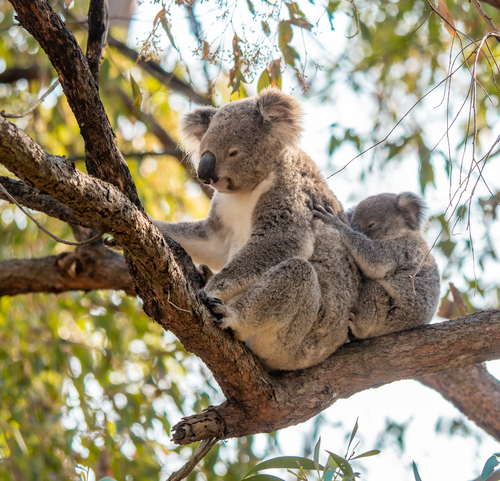
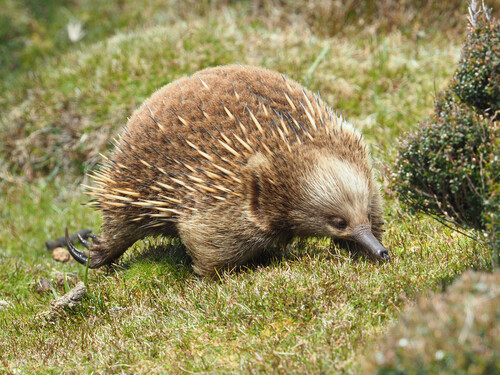
Mammals are defined by hair and by feeding their young on milk, and those two things underwrite most of what else is distinctive about them — sustained high activity, parental care that extends well past birth, and the capacity to occupy cold places that would be closed to an animal depending on external heat. They are not a large group by species count, being outnumbered many times over by insects and considerably by birds and fish, but they include the largest animals that have ever lived and most of the animals people think of first. The group spans the egg-laying monotremes, the pouched marsupials, and the placental majority, and it has produced fliers, swimmers, burrowers and climbers from what began as a small nocturnal insect-eater.
Mammals with a full profile
All profiles →






Where mammals are recorded
| Region | Climate | Species |
|---|---|---|
| Southern Africa | Warm and sunny with a summer rainy season. | 66 |
| African Savanna | Hot all year with dramatic wet and dry seasons, typically 25–35°C. | 48 |
| Mainland Southeast Asia | Hot and tropical with a heavy monsoon. | 48 |
| Indian Subcontinent | Hot, ruled by the dramatic monsoon rains. | 45 |
| Himalayas & High Asia | Bitterly cold with thin air, snow and fierce winds. | 39 |
| Arctic & Tundra | Long frozen winters far below 0°C and a short, cool summer. | 34 |
| North American Wilds | Four strong seasons with snowy winters and warm summers. | 34 |
| Mexico & Central America | Warm and tropical with a strong rainy season. | 34 |
| Arabia & the Middle East | Blistering desert heat with very little rain. | 34 |
| Central Asian Steppe | Harsh extremes — baking summers and deeply frozen winters. | 33 |
| African Rainforest | Hot, humid and rainy almost every day, around 25°C. | 28 |
| North American Desert | Scorching dry days and surprisingly cool nights. | 26 |
| West Africa | Hot and humid by the coast, drier toward the Sahel. | 25 |
| Eastern North America | Four full seasons — humid summers and snowy winters. | 20 |
| European Woodlands | Mild, temperate seasons with cool rain and gentle summers. | 17 |
| Antarctica | Earth's coldest, windiest place, plunging to −60°C. | 15 |
| Madagascar | Tropical and warm with distinct wet and dry seasons. | 15 |
| Pantanal & Cerrado | Hot, with a flooded wet season and a dry winter. | 15 |
| Amazon Rainforest | Warm and extremely humid with heavy rainfall all year round. | 14 |
| China's Bamboo Forests | Cool, misty and damp in the mountain forests. | 14 |
| Siberian Taiga | Brutally cold winters and short, mild summers. | 14 |
| Coral Reefs & Oceans | Warm, sunlit tropical seas in the shallows; cold and dark in the deep. | 13 |
| Sahara & Deserts | Scorching days above 45°C and surprisingly freezing nights. | 11 |
| Andes Mountains | Thin, cold mountain air — sunny days and frosty nights. | 11 |
| American South & Everglades | Hot, humid and subtropical with heavy summer storms. | 11 |
| Australian Outback | Hot, dry and blazing-bright across the interior. | 9 |
| Japan & Korea | Four seasons, from the snowy north to the mild south. | 9 |
| Southeast Asian Jungle | Hot and steamy with monsoon downpours. | 8 |
| New Guinea & Melanesia | Hot, humid and rainy all year. | 7 |
| Patagonia | Cool, dry and famously windswept. | 6 |
| Caribbean Islands | Warm, breezy and tropical all year. | 2 |
| New Zealand | Mild, wet and temperate. | 2 |