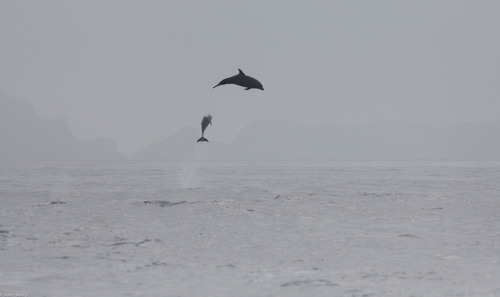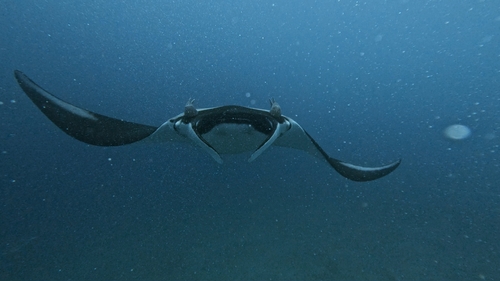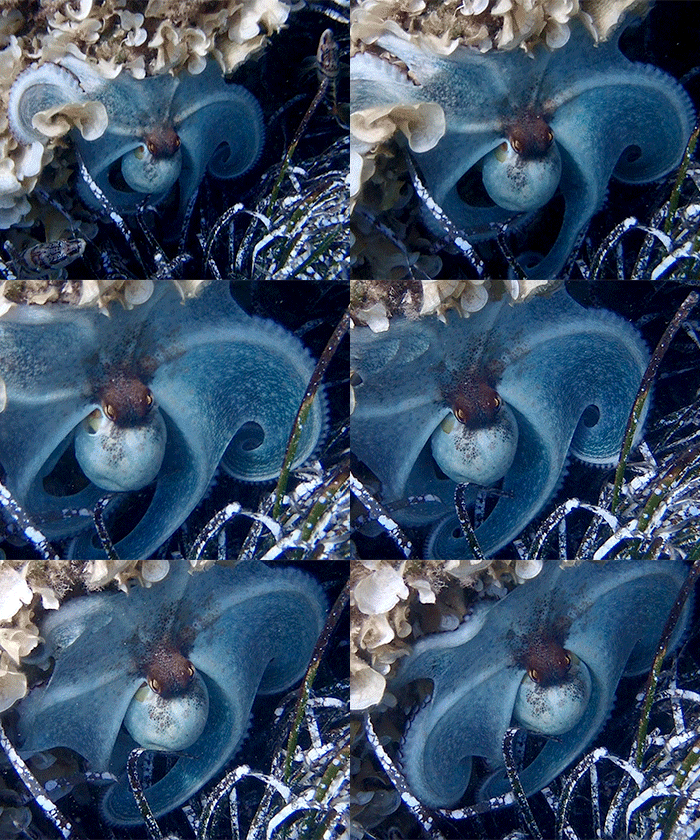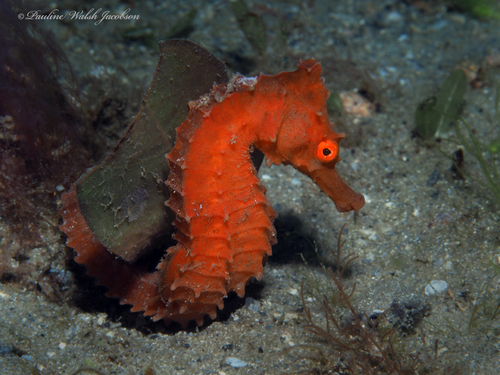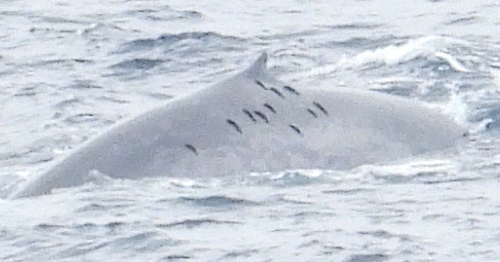
Photo: (c) Rudyard, some rights reserved (CC BY) — via iNaturalist
Blue Whale
Balaenoptera musculus
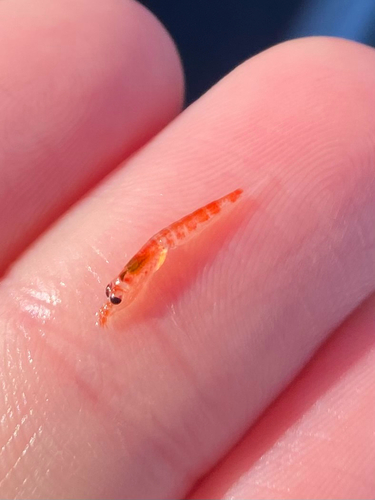
Roams the open ocean, feeding on swarms of tiny krill.
About the Blue Whale
The blue whale is the largest animal that has ever lived, larger than any dinosaur — its heart alone is the size of a small car, and its tongue can weigh as much as an elephant. It is a mottled blue-grey rather than blue, and looks properly blue only underwater. Its call is the loudest sound made by any animal and carries across ocean basins.
How it lives
Everything that large is sustained by something very small: blue whales eat krill, almost exclusively, in quantities measured in tonnes per day during the feeding season. They feed by lunging into a swarm with the throat pleats expanding to take in a volume of water greater than the whale itself, then forcing it out through baleen plates. They migrate between cold feeding grounds and warmer breeding areas, travel alone or in very small groups, and calves are born enormous and gain weight at a rate no other animal matches.
Where it lives
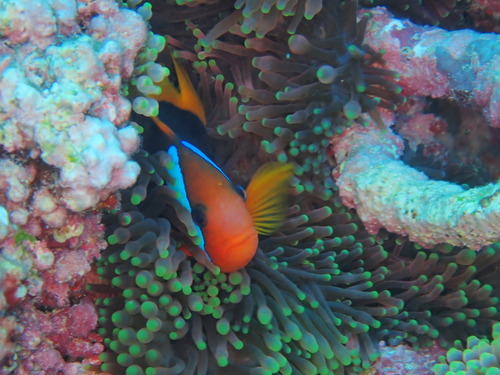
Roams the open ocean, feeding on swarms of tiny krill. Its main habitat is Coral Reefs & Oceans, where the climate is warm, sunlit tropical seas in the shallows; cold and dark in the deep.
Notable facts
- The largest animal that has ever lived.
- Its heart is the size of a small car.
- Its call is louder than a jet engine.
Conservation
IUCN Red List status: Endangered. Facing a very high risk of extinction in the wild.
The blue whale is endangered. Industrial whaling in the twentieth century removed the overwhelming majority of the global population before it was protected, and recovery has been slow and uneven — the Antarctic population in particular remains at a small fraction of its original size. Ship strikes and entanglement kill individuals now, noise disrupts communication over long ranges, and the krill stocks the species depends on are exposed to both fishing and ocean warming.
Read the Wikipedia article →Habitats where the Blue Whale is found
Coral Reefs & Oceans
The biggest habitat on Earth — a rainbow reef giving way to endless ocean.
590 species recorded →Antarctica
The white continent at the bottom of the planet — a freezer the size of a continent.
110 species recorded →