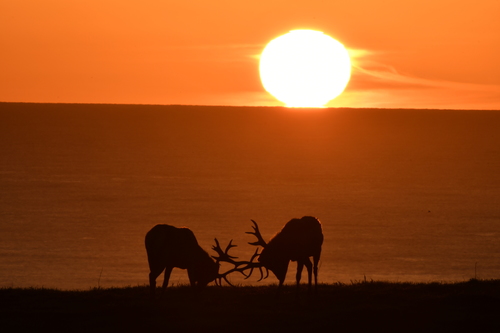
Photo: (c) Tom Kennedy, some rights reserved (CC BY) — via iNaturalist
Red Deer
Cervus elaphus
Grazes forest clearings and moorland in large herds.
About the Red Deer
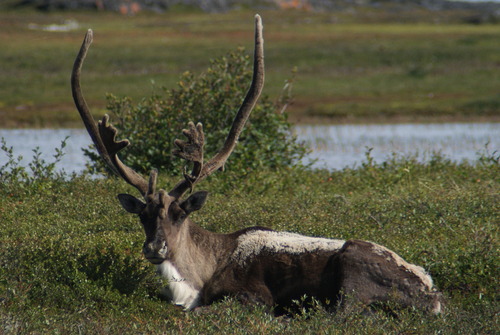
The red deer is one of the largest deer species and the emblematic large mammal of European woodland and upland. Stags grow branched antlers that get larger and more complex with age and condition, shed each spring and regrown over summer beneath a skin of velvet that is later rubbed off against trees.
How it lives
Red deer graze and browse grasses, heather, shrubs and tree shoots, and in hard winters they strip bark, which is why foresters regard them ambivalently. Hinds and calves live in groups apart from the stags for most of the year. The autumn rut is the spectacle: stags roar continuously to advertise size, wallow in mud, and lock antlers with rivals, and roaring contests settle most disputes before a fight becomes necessary. Calves are left hidden in cover for their first weeks and are almost odourless.
Where it lives
Grazes forest clearings and moorland in large herds. Its main habitat is the European Woodlands, where the climate is mild, temperate seasons with cool rain and gentle summers.
Notable facts
- Males roar and clash antlers to win mates each autumn.
- Antlers are shed and regrown bigger every year.
- One of the largest deer species.
Conservation
IUCN Red List status: Least concern. Assessed as not currently at risk of extinction in the wild.
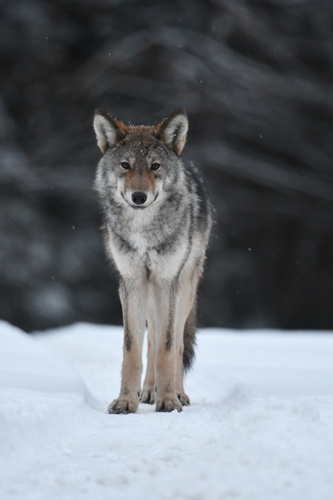
Red deer are of least concern and abundant, and in much of Britain and Europe the problem is that there are too many of them. With wolves and lynx gone from most of the range, numbers are limited only by culling, and high densities suppress woodland regeneration by eating every seedling. Deer management has become a central issue in European rewilding, and hybridisation with introduced sika deer threatens the genetic integrity of some populations.
Read the Wikipedia article →