Photo: (c) Jan Ebr & Ivana Ebrová, some rights reserved (CC BY) — via iNaturalist
Chinchilla
Chinchilla
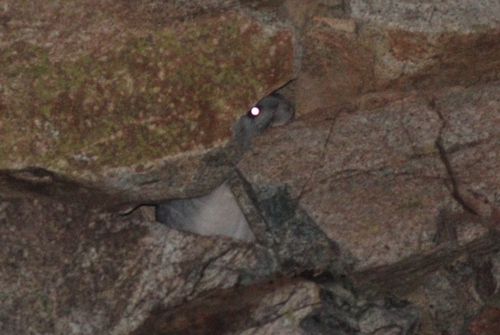
Shelters in rocky crevices high in the cold Andes.
About the Chinchilla
Chinchillas are small rodents from the high, arid Andes of northern Chile, and they carry the densest fur of any land mammal — many hairs grow from each follicle, packed tightly enough that parasites cannot live in it. That fur is why the wild animal was hunted to the edge of extinction and why the domestic form is now a common pet.
How it lives
Wild chinchillas live in colonies among rock crevices and boulder fields at high altitude, feeding at dawn and dusk on grasses, seeds and cactus fruit and sheltering from the cold and from predators in the rocks. They cannot get wet — the fur holds water and rots — so they clean themselves by rolling in fine volcanic dust. They are agile jumpers, able to clear a considerable height from a standing start, and they shed a patch of fur when grabbed, leaving a predator with a mouthful of nothing.
Where it lives
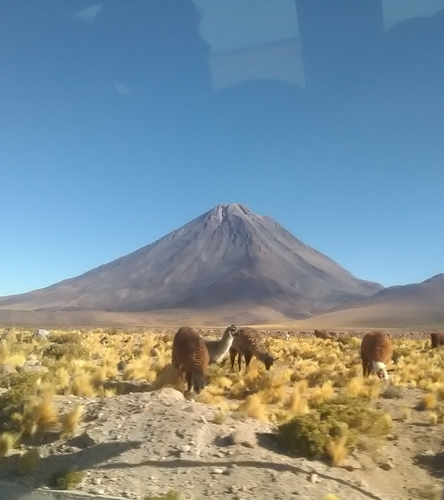
Shelters in rocky crevices high in the cold Andes. Its main habitat is the Andes Mountains, where the climate is thin, cold mountain air — sunny days and frosty nights.
Notable facts
- It has the densest fur of any land mammal.
- To stay clean it bathes in fine volcanic dust.
- It can leak its fur to escape a predator's grip.
Conservation
IUCN Red List status: Endangered. Facing a very high risk of extinction in the wild.
The wild short-tailed and long-tailed chinchillas are endangered, reduced to a small number of scattered colonies. Commercial fur hunting in the nineteenth and early twentieth centuries removed millions of animals; since then mining, firewood cutting and grazing have degraded what habitat remained. The enormous domestic population is no help to the wild one — the animals are not the same and are not released.
Read the Wikipedia article →