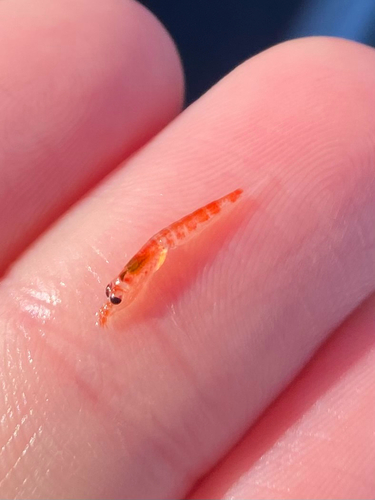
Photo: (c) Ingvild Riska, some rights reserved (CC BY) — via iNaturalist
Antarctic Krill
Euphausia superba
Drifts in colossal swarms in the freezing Southern Ocean.
About the Antarctic Krill
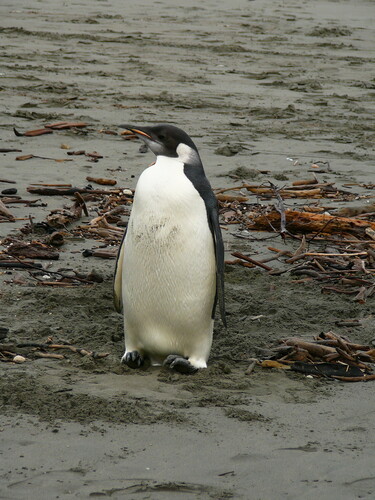
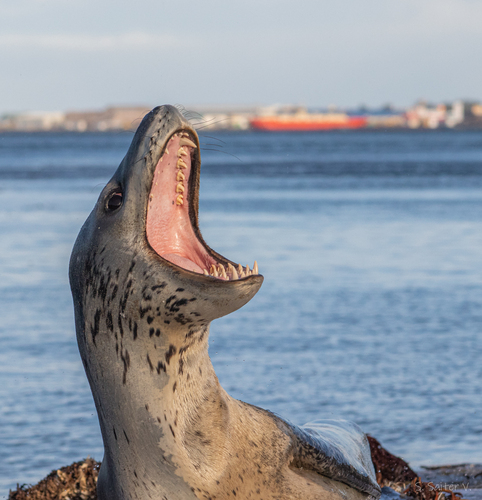
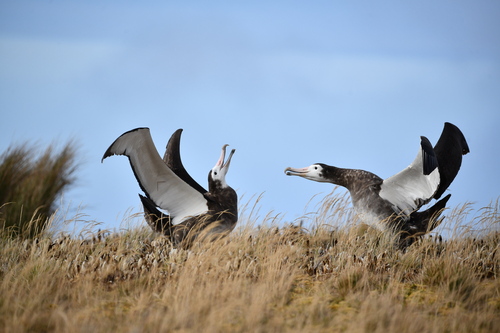
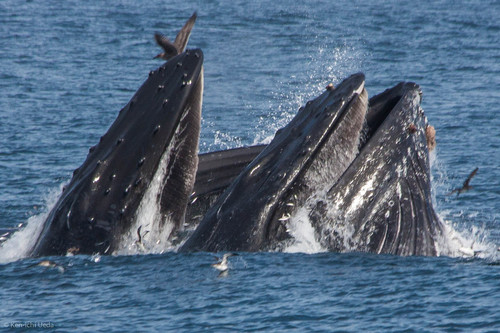
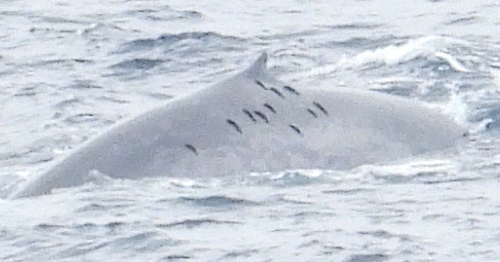
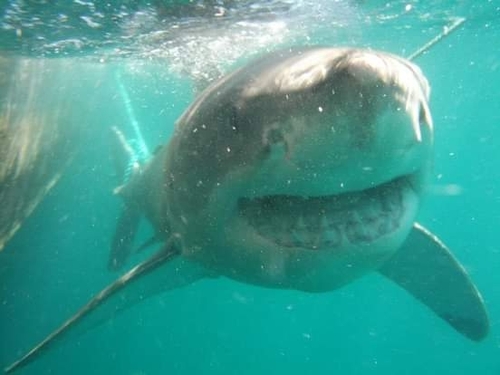
Antarctic krill is a small shrimp-like crustacean and, by some measures, the most abundant animal species on Earth by total mass. It is the pivot of the entire Southern Ocean food web: whales, seals, penguins, seabirds, squid and fish all depend on it directly or one step removed. Krill swarms can be dense enough to colour the water red and to be picked up from space.
How it lives
Krill filter phytoplankton from the water with a feeding basket formed by their forelimbs, and in winter they also graze algae growing on the underside of sea ice, which is why ice cover matters to them. They are bioluminescent, migrate vertically through the water column each day, and can shrink in body size when food is scarce, effectively moulting backwards to survive lean periods. They live far longer than a shrimp-sized animal has any right to.
Where it lives
Drifts in colossal swarms in the freezing Southern Ocean. Its main habitat is Antarctica, where the climate is earth's coldest, windiest place, plunging to −60°C.
Notable facts
- One of the most abundant animals on the planet.
- Swarms can be seen from space.
- Almost every Antarctic animal depends on it for food.
Conservation
IUCN Red List status: Least concern. Assessed as not currently at risk of extinction in the wild.
Krill are not threatened as a species, but they are the subject of a growing commercial fishery for aquaculture feed and omega-3 supplements, concentrated in exactly the coastal areas where penguins and seals feed their young. The larger concern is that krill recruitment depends on winter sea ice, and ice extent in key regions has declined. Because so much depends on this one animal, changes to it propagate through everything above it.
Read the Wikipedia article →Habitats where the Antarctic Krill is found
Antarctica
The white continent at the bottom of the planet — a freezer the size of a continent.
110 species recorded →Coral Reefs & Oceans
The biggest habitat on Earth — a rainbow reef giving way to endless ocean.
590 species recorded →