Photo: (c) Golfopolikayak, some rights reserved (CC BY) — via iNaturalist
Common Octopus
Octopus vulgaris
Hides in reef crevices and dens, hunting crabs and shellfish.
About the Common Octopus
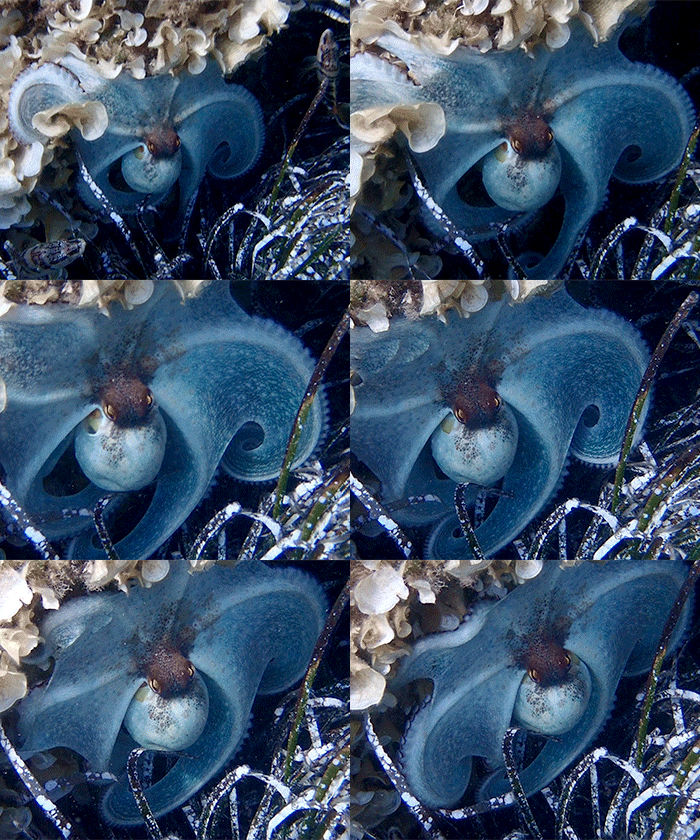
The common octopus is the best known of the octopuses and one of the most intelligent invertebrates on Earth. It has eight arms lined with suckers that both grip and taste, three hearts, blue copper-based blood, and no bones at all — an adult can pass through any gap large enough for its beak, the single rigid part of its body.
How it lives
Most of an octopus's neurons are in its arms rather than its brain, so the arms solve local problems semi-independently while the animal attends to something else. It changes colour and skin texture in a fraction of a second using pigment sacs and reflective layers, producing camouflage good enough to make a moving animal disappear against rock — and it does this while being effectively colour-blind. It hunts crabs, molluscs and fish, drilling shells and delivering a paralysing saliva. Octopuses solve mazes, open containers, use tools, and recognise individual people. They live only a year or two, and females die after their eggs hatch.
Where it lives
Hides in reef crevices and dens, hunting crabs and shellfish. Its main habitat is Coral Reefs & Oceans, where the climate is warm, sunlit tropical seas in the shallows; cold and dark in the deep.
Notable facts
- It has three hearts and blue blood.
- It can change colour and texture in an instant.
- Each of its eight arms can act on its own.
Conservation
IUCN Red List status: Least concern. Assessed as not currently at risk of extinction in the wild.
The common octopus is of least concern and is fished commercially in large quantities around the world, particularly in the Mediterranean and eastern Atlantic, with some stocks showing signs of overfishing. Its short life and high fecundity make it fairly resilient. Proposals for industrial octopus farming have drawn substantial scientific and ethical objection given the animal's cognitive capacities.
Read the Wikipedia article →