Reptiles
Reptiles regulate their temperature using the environment rather than by burning food, which is the single fact that explains most of how they live. It makes them extraordinarily efficient…
About reptiles
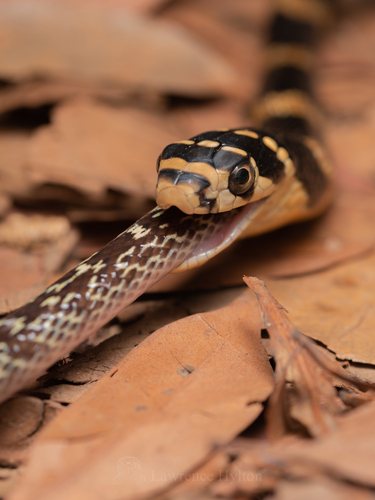
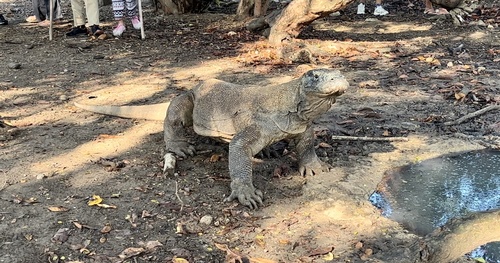
Reptiles regulate their temperature using the environment rather than by burning food, which is the single fact that explains most of how they live. It makes them extraordinarily efficient — a large reptile can survive on a fraction of what a mammal of the same size requires — and it ties them to climates with enough warmth to be active in. They range from lizards small enough to sit on a fingertip to crocodilians and pythons that take large mammals, and the group includes turtles that outlive people and snakes that locate warm-blooded prey by infrared. Scaled skin that resists water loss is what allowed the lineage to leave the water entirely, and it is why reptiles dominate deserts in a way amphibians never could.
Reptiles with a full profile
All profiles →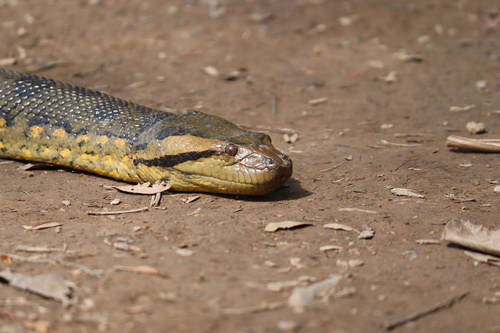


Where reptiles are recorded
| Region | Climate | Species |
|---|---|---|
| Arabia & the Middle East | Blistering desert heat with very little rain. | 69 |
| Mainland Southeast Asia | Hot and tropical with a heavy monsoon. | 46 |
| Southern Africa | Warm and sunny with a summer rainy season. | 32 |
| North American Desert | Scorching dry days and surprisingly cool nights. | 27 |
| Indian Subcontinent | Hot, ruled by the dramatic monsoon rains. | 27 |
| Mexico & Central America | Warm and tropical with a strong rainy season. | 24 |
| West Africa | Hot and humid by the coast, drier toward the Sahel. | 22 |
| Sahara & Deserts | Scorching days above 45°C and surprisingly freezing nights. | 21 |
| Australian Outback | Hot, dry and blazing-bright across the interior. | 19 |
| American South & Everglades | Hot, humid and subtropical with heavy summer storms. | 19 |
| Amazon Rainforest | Warm and extremely humid with heavy rainfall all year round. | 17 |
| Madagascar | Tropical and warm with distinct wet and dry seasons. | 17 |
| Andes Mountains | Thin, cold mountain air — sunny days and frosty nights. | 16 |
| Eastern North America | Four full seasons — humid summers and snowy winters. | 15 |
| African Rainforest | Hot, humid and rainy almost every day, around 25°C. | 13 |
| Caribbean Islands | Warm, breezy and tropical all year. | 13 |
| Himalayas & High Asia | Bitterly cold with thin air, snow and fierce winds. | 11 |
| Southeast Asian Jungle | Hot and steamy with monsoon downpours. | 9 |
| Coral Reefs & Oceans | Warm, sunlit tropical seas in the shallows; cold and dark in the deep. | 8 |
| North American Wilds | Four strong seasons with snowy winters and warm summers. | 5 |
| China's Bamboo Forests | Cool, misty and damp in the mountain forests. | 5 |
| Pantanal & Cerrado | Hot, with a flooded wet season and a dry winter. | 4 |
| New Zealand | Mild, wet and temperate. | 4 |
| New Guinea & Melanesia | Hot, humid and rainy all year. | 4 |
| African Savanna | Hot all year with dramatic wet and dry seasons, typically 25–35°C. | 3 |
| European Woodlands | Mild, temperate seasons with cool rain and gentle summers. | 3 |
| Central Asian Steppe | Harsh extremes — baking summers and deeply frozen winters. | 3 |
| Patagonia | Cool, dry and famously windswept. | 3 |
| Japan & Korea | Four seasons, from the snowy north to the mild south. | 3 |
| Siberian Taiga | Brutally cold winters and short, mild summers. | 2 |