Photo: (c) Sebastian Serna Muñoz, some rights reserved (CC BY) — via iNaturalist
Andean Condor
Vultur gryphus
Soars on mountain winds, scanning vast distances for carcasses.
About the Andean Condor
The Andean condor has among the largest wingspans of any flying bird, and it is built for a very specific kind of flight: soaring on mountain thermals and updraughts with almost no flapping, covering enormous distances at very low energetic cost. Males carry a fleshy comb and, unusually for a vulture, look distinctly different from females.
How it lives
Condors are scavengers, working the Andes and the Pacific coast for carcasses of guanaco, deer, livestock and marine mammals. The bare head is a hygiene adaptation for feeding inside a carcass. They find food largely by sight, watching each other and watching smaller scavengers, and they can go days without eating and then gorge. They nest on inaccessible cliff ledges and raise a single chick roughly every other year, with both parents feeding it for many months.
Where it lives
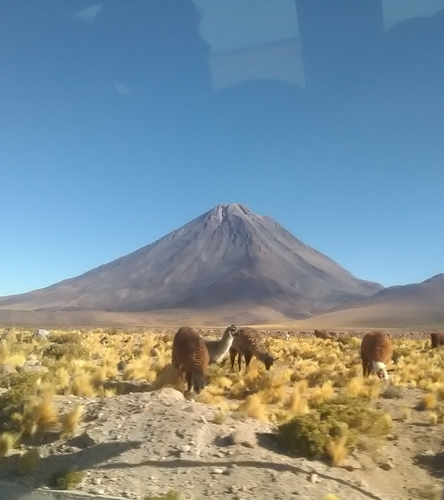
Soars on mountain winds, scanning vast distances for carcasses. Its main habitat is the Andes Mountains, where the climate is thin, cold mountain air — sunny days and frosty nights.
Notable facts
- One of the largest flying birds, with a 3 m wingspan.
- It can glide for hours without flapping.
- A symbol of the Andes across South America.
Conservation
IUCN Red List status: Vulnerable. Facing a high risk of extinction in the wild.
The Andean condor is vulnerable and declining, with the northern populations in Venezuela, Colombia and Ecuador in the worst state. Poisoning is the biggest killer — carcasses laced to kill pumas and foxes take condors as collateral, and lead from ammunition in carcasses accumulates in the birds. Their very slow reproduction means each adult lost matters disproportionately.
Read the Wikipedia article →